தொன்மையான நடராஜர்


Nataraja Gupta – 5th Century A.D. – Nachna, Madhya Pradesh
நச்ன குதாராவிலுள்ள பொ.யு.ஐந்தாம் நூற்றாண்டு ஆடல்வல்லானின் சிற்பம். உடைந்த நிலையில் இருப்பினும் இங்கே டோல ஹஸ்தமாக வலக்கரத்தை இடப்புறத்தே வீசும் வண்ணம் வடிக்கப்பட்டுள்ளதை காணுங்கள். குப்தர்கள் காலத்திலேயே நடன கோலத்தில் எம்பெருமான் வடிக்கப்பட்டதற்கு முக்கியமான தரவு இச்சிற்பமே.
காதணியும் பிற்காலத்தை ஒட்டிய நடைமுறையின்றி வலக்காதில் பத்ரகுண்டலமும் இடது காது மடலினில் ஸ்படிக குண்டலமும் அணிவிக்கப்பட்டுள்ளது விந்தையிலும் விந்தை...
Siva Nataraja of Nachna Panna, MP, 400-499 CE,
Purple Sandstone. Note Patrakundla in right ear and Sphatiga Kundala in left
ear. The right normal arm is swung across his chest as seen from the position
of his shoulders. One hand on right side shows Abhaya Mudra.
Bhumara Temple, sometimes called Bhumra, Bhubhara or Bharkuleswar, is a 5th or 6th-century Gupta era Hindu stone temple site dedicated to Shiva near Satna, in the Indian state Madhya Pradesh.[3][5] The temple has a square plan with a sanctum and Mandapa.[6] While much of it is in ruins, enough of the temple structure and works of art have survived for scholarly studies. The temple is notable as one of the early examples of an architecture that included an enclosed concentric pradakshina-patha (circumambulation path). Like other early Gupta era Hindu temples, it includes a decorated entrance to the sanctum flanked by Ganga and Yamuna goddesses, and intricately carved sculptures.
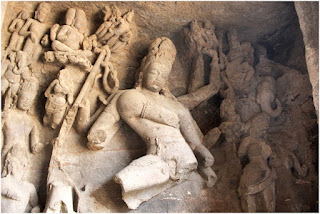
இராஷ்டிரகூடரின் காலத்தைச் சார்ந்த மும்பையின் புறநகர்ப்பகுதியான கரபுரி என்னும் எலிபெண்டா தீவுகளின் மகோன்னதமான ஆடல்வல்லானைப்பற்றி விவரித்திருந்தது
ஆந்திரா மாநிலம் நெல்லூர் பிரகாசம் மாவட்டங்களுக்கு நடுவில், நல்லமலை வனப் பகுதியில் பைரவகோணாவின் எட்டு குடைவரை கோயில்கள் அமைந்துள்ளன.
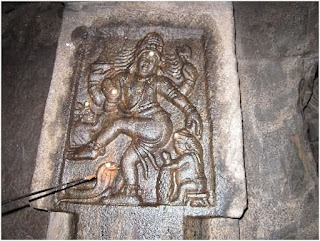 முதலாம் மகேந்திரவர்மன் பொ.யு ஏழாம் நூற்றாண்டில் ( 600-630 CE ) இங்கு உருவாக்கிய சிவனை “தூண்-ஆண்டார்” என்று தமிழிலும் ஸ்தம்பேஸ்வரர் என்று சமஸ்கிருதத்திலும் ( பல்லவ கிரந்த எழுத்துக்களில் ) அழைக்கப்பட்டுள்ளார்.
https://commons.wikimedia.org/wiki/File:8th_century_Gandheshwara_Shiva_temple_ithyphallic_Nataraja,_Sirpur_monuments_Chhattisgarh.jpg
https://commons.wikimedia.org/wiki/File:7th_-_8th_century_Nataraja,_Hindu_temple_ruins_Sirpur_Chhattisgarh.jpg
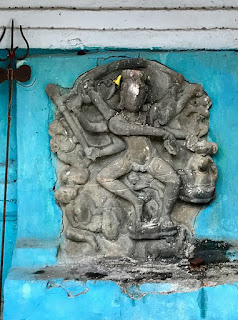
: Sirpur, also referred in medieval era texts as Shripur (city of wealth), is a town on the banks of Mahanadi in Chhattisgarh. The site became archaeologically significant after a visit and report on a Laxman (Lakshmana) temple in 1872 by Alexander Cunningham, a colonial British India official. Sirpur is mentioned in the memoirs of the Chinese traveler Hieun Tsang as a location of monasteries and temples. The site has been significant for its temple ruins of Rama and Lakshmana of the Ramayana fame.The site excavations after 1960, particularly after 2003, have yielded 22 Shiva temples, 5 Vishnu temples, 10 Buddha Viharas, 3 Jain Viharas, a 6th/7th century market and snana-kund (bath house). The site shows extensive syncretism, where Buddhist and Jain statues or motifs intermingle with Shiva, Vishnu and Devi temples.
The region was conquered and plundered by the armies of Delhi Sultanate and later Deccan Sultanates. The town and temples were damaged in the wars and were abandoned. Dense vegetation grew over it and floods deposited silt. There is also evidence of possible earthquake damage. 20th and 21st century excavations have unearthed many monuments. The site is large and artwork stick out of farmlands and dirt roads in and near Sirpur.
Eighth Century Natesa
Murthy of Gupta Era from Gandheshwar Mahadev Temple
மண்டபேஷ்வர் குடைவரை
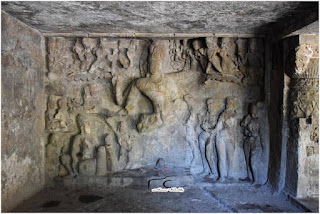

மும்பை மாநகரின் வடமேற்கு எல்லையின் ஒரு பகுதியிலுள்ள பாயின்ஸுர் குன்றுப்பகுதியை
ஒட்டி அமைந்த டஹிஸார்-பொய்ஸார் நதிகளின் நடுவில் அமைந்துள்ள பல குக்கிராமங்கள் பின்னாளில் இணைந்து போரிவலி புறநகர் பகுதி உருவானது. இப்பொழுதைய மும்பை மாநகரின் மிக விலையுர்ந்த
குடிமனைகளும் இல்லங்களும்
இன்று போரிவலியில்தான்
அமைந்துள்ளன. உலகப்புகழ் பெற்ற கன்ஹேரி குடைவரைகளும்
நாம் காணப்போகும்
மண்டபேஷ்வர் குடைவரைகளும்
இங்குதான் அமைந்துள்ளன.
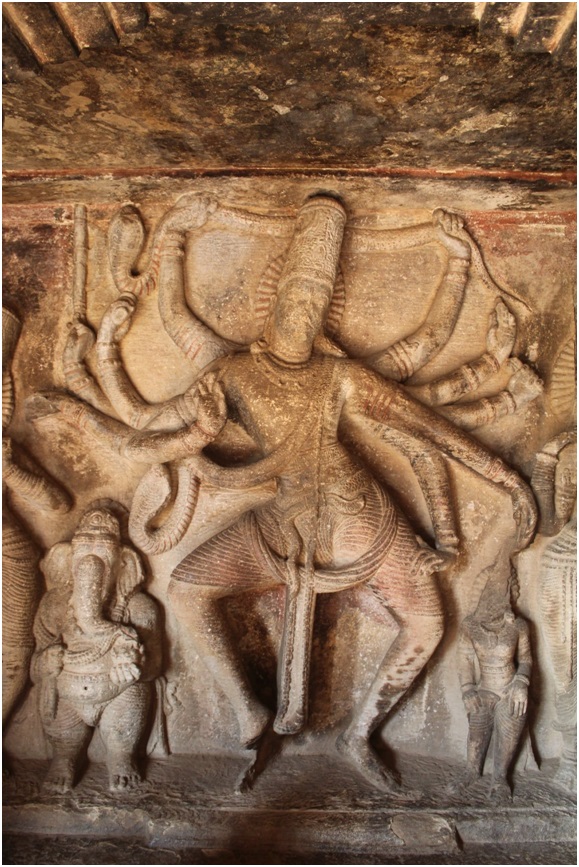
Ravanaphadi Cave of Sixth Century by Chalukyas of Aihole :-
மொகலராஜபுரம் குடைவரை
ஆந்திர மாநிலத்தில் விஜயவாடாவிற்கு ஐந்து கிலோமிட்டர் தொலைவில் உள்ள ஒரு பாரம்பர்ய சின்னம் மொகலராஜபுரம் குடைவரைகள்.
பட்டாடக்கல்லின் ஜம்புலிங்கேஸ்வரர் ஆலயம்
Although it was a common practice to depict Lord Shiva in
dancing posture with ten arms, it is quite unusual to show Him along with the
Saptamatrukas. Similarly depiction of Bhringi in Natesamurthy reliefs or
Umamahesvara Panels was a common feature in latter day Medieval Sculptures of
the same. But in South India he has been rarely shown, but here in this Sixth
Century Rock Cut Cave of Chalukyas, we see so many related themes and
Sculptures that are a feast to the Eye. In his two upper arms he holds aloft
the Karkkodaga Snake in a playful gesture, being the most deadly of all the
Ashtanagas. In his right side arms he holds the long handled Parasu ( Axe )
while another hand shows the gesture of protection as an abhinaya. A
corresponding left side hand similarly shows blessing of Boons in a similar Abhinaya
posture. A small Trishula is also held on the left side, while yet another arm
rests on his left thigh. A normal right hand shows a Kadaga or Upadesa Mudra
while the normal left hand is stretched out as a Gajahastha. The feet are
placed forming a Chatura Thandava posture of the legs, planting the left sole
firmly on the ground while the right foot is placed in Utkuditha posture with
only the toes placed on the ground but the ankle is lifted up. The Ear
ornaments show the usual Iconographic disparity. The Padra Kundla is all too
prominently shown in the left ear. All the deities in the cave are shown with
lengthy Crowns adorned in rich gems like array, while Shiva in addition sports
the Crescent Moon on his right. His waist garment is worn tight held together
in place with a snake dangling as his hip belt. Even his Yagnopavita hangs
loose upto his ankle like a Jewellery. Another large snake swung over his left
shouder like an Upavita is coiled on one right arm and hangs down below
spreading his hood widely. The Snakeskin is shown clearly in its pattern like
the Third Eye, His Jewellery, Kadaga, Noopura etc.
Once upon a time the whole cave was painted in natural pigments
on the inside but you can see the remnants only now in all the panels. Skandha
standing on his left is damaged while Gowri standing next shows her elegance in
her admiring look she poses at Her Lord. A Two armed Ganesha stands on his
right and next is Vaishnavi. Bhringi in dancing posture is shown next to
Vaishnavai. The left side wall of this Mandapa section shows a Tricephalic
Brahmi, Mahesvari and Kaumari all in a row while the opposite wall shows
Varahi, Aindrani and Chamunda. Almost all the Matrukas shows some sort of
Abhinaya or Nritta posture. Because of holding the Serpent above, Dancing Shiva
in this Cave might be termed as of Bhujangalalitha Posture but the presence of
all his parivara and the Chatura Thandava Posture can justify this being the
Sandya Nritta also. Anyway I leave it to the discretion of my readers to judge
this.
Extensive ornamentation, perfection in detailing, variety in Pillar
shapes and Reliefs, precise ceiling reliefs with Mythological creatures
including Kinnara and Kinnari are exemplory attributes of this Sixth Century
wonder. Although being the earliest to be excavated by Chalukyas, the Cave
Sculptures excel in their Iconographic representation, arrangement of thematic
elements, and details in each and every characters shown are noteworthy. It is
hard to believe that in days when modern equipments were hardly available with
the help of torches or natural sunlight reflected inside such meticulous
execution was possible or to be even dreamt of. No wonder Chalukya Era was the
Epitome of Indian Architecture and its Golden Era.

.jpg)
மலையின் வடமேற்குப்பகுதியில் சுமார் பூமியிலிருந்து 59 அடி உயரத்தில் வடதிசை நோக்கி உருவாக்கப்பட்ட முதலாம் குடைவரைக்குச் செல்ல படிகள் உள்ளன. குடைவரையின் முன்னர் உள்ள படிகளுடன் கூடிய பாதையில் கிழக்கே மேலேறிச்சென்றால் பிற குடைவரைகளையும் பின்னர் மலையுச்சியில் கோட்டை கொத்தளங்களையும் காணலாம். குடைவரையின் அதிஷ்டானப்பகுதி பூதகணங்களால் அழகூட்டப்பட்டுள்ளது. பல்வேறு வகையான முகபாவனையுடனும் தோற்றத்துடனும் ஆடலுடனும் மிகுந்த நேர்த்தியுடன் இந்த பூதகணங்களை செதுக்கியுள்ளனர்.
சற்றே நோக்கும்போது இந்த குடைவரையினை இவர்கள்தாம் தாங்குகின்றனரோ எனக்கூட தோன்றிடலாம். குடைவரையின் மண்டபம் தாழ்வாரம் போன்று நீள்சதுர வடிவத்துடன் 70க்கு 65 அடி அளவில் அமைந்துள்ளது. இதன் முற்பகுதியுள்ள ஐந்து தூண்களும் செடிகொடிகள் முத்துமாலைகள் போன்ற நுண்ணிய சிற்பவடிவுகளுடன் அலங்கரிக்கப்பட்டுள்ளன.
Sri Mathangeeswarar Temple / Madangeeswarar Temple, Kanchipuram, Kanchipuram District,
A Book on Nagareshu Kanchi, a retrospective on Kanchipuram Complied by Prof Madhusudhanan Kalaiselvan.


.jpg)




.jpg)
